

SHIPPING CONTAINER MOVERS IN DALLAS TEXAS
Ground-Level Delivery
20+ Years Experience
No Crane Required
5.0 Rated Service
Dallas container moving: connect the pickup plan to the delivery plan
A Dallas move can start in a seller's yard and finish at a warehouse, construction project, or private property with very different access. The container may be easy to collect but difficult to position at the destination. Planning both locations together helps avoid a truck arriving with nowhere suitable to unload. TCT coordinates container transport with attention to release arrangements, the approach to each property, and the final door direction.
This guide is for people moving a container they already own or have arranged to buy. It covers local Dallas relocations, moves to other Texas communities, and the details needed to review a longer trip. The best starting point is a clear description of the job, supported by current photos. A street address establishes the route; pictures explain what the driver will encounter beyond the gate.

Choose the right service for your Dallas project
Seller-to-property container delivery
If you are buying a shipping container, ask the seller how it will be released before scheduling delivery. Get the collection address, container identification, pickup contact, permitted collection hours, and any loading arrangements. Share photos of the actual unit when possible. A listing picture may show a different container or a position that has since changed. TCT can then review the pickup alongside the receiving property and identify missing information before dispatch.
Container relocation between business locations
A warehouse transfer often involves two separate teams: the person releasing the container and the person receiving it. Give each team the same schedule, container number, and placement instructions. In a shared Dallas business yard, arrange access through the correct truck entrance and reserve the unloading area. An open parking space is useful only if the truck can reach it, align with it, and leave after placement.
Repositioning within one property
Moving a container a short distance can still require a full loading and unloading operation. Tell us whether you want it shifted, turned, or moved to another part of the site. Photograph the entire path between the current and proposed positions. Fences, stored materials, parked trailers, and narrow corners can determine whether the planned orientation is workable. Describe the goal before clearing the area so the clearance work supports the actual move.
Container sizes, condition, and loaded moves
TCT reviews moves involving 10-foot, 20-foot, 40-foot, and 45-foot shipping containers, subject to the unit, weight, equipment, and access. Length alone does not establish suitability. Identify high-cube units and report modifications such as added doors, external equipment, awnings, or electrical connections. A modified storage container can have a different clearance profile from a standard box of the same nominal length.
For a loaded container, provide the cargo description and a reliable estimate or record of total weight. Explain whether heavy items are concentrated at one end and whether the contents can tolerate the proposed handling method. Loose shelving, machinery, liquids, and fragile goods need a more specific discussion than an empty unit. Loaded transport requires review; do not assume that a container's rated capacity is the capacity available for a particular truck or move.
Condition matters at pickup as well. Send close photographs of significant corrosion, damaged lower rails, twisted doors, or repairs. Tell us if the container has settled into the ground or has been sitting against another structure. The collection plan should account for these conditions before a date is committed. A longer conversation at quoting is preferable to discovering an inaccessible attachment point after the truck arrives.
Dallas access: look beyond the street address
For commercial locations, mark the truck gate rather than relying only on the office address. A property may have several entrances, one-way internal lanes, or a receiving area behind the building. Include instructions from the public road to the container. Mention security check-in and any appointment the site requires. The person booking the move should verify those details with the property contact instead of assuming the driver can resolve them at arrival.
For residential or smaller properties, show the approach from the street, the driveway turn, the narrowest opening, and the intended unloading position. Include fixed obstacles such as walls, posts, overhead branches, and utility lines. A container fitting through an opening does not prove that the truck and trailer can complete the turn. TCT will review the available space and may ask for measurements or additional photos before confirming placement.
Dallas-area jobs can also connect with Irving, Garland, Mesquite, Richardson, and other surrounding communities. Use exact pickup and delivery addresses even when both ends are described as being in Dallas. A cross-metro trip and a move within one business property involve different scheduling and handling considerations. Discuss access at the receiving site independently of the route between cities.
Ground-level delivery and final placement

Ground-level handling can allow a suitable container to be delivered without arranging a separate crane or forklift. The proposed equipment still needs room to work and appropriate ground conditions. Ask TCT to review the loading method for your container and site. If the unit must stay level throughout handling, explain that requirement at the outset; do not assume every ground-level method has the same movement or tilt characteristics.
Choose the final position with daily use in mind. Consider the space needed to open the doors, walk around the container, bring materials to the entrance, and retrieve it later. Mark the desired corners and indicate which end contains the doors. Keep the placement area clear of vehicles and equipment. If the site has changed since the quote photos were taken, send updated pictures before the scheduled move.
Prepare a suitable, stable receiving area and discuss any supports with the team before arrival. A visually flat surface does not establish that the approach can carry the vehicle, and recently disturbed ground may behave differently from the surrounding pavement. Report soft areas, drainage problems, buried features you know about, and abrupt changes in slope. The transport assessment and the long-term foundation plan are related but separate parts of the project.
Auction purchases and timed yard collections
Auction buyers should confirm that the container is paid for and available for release, then provide the lot or unit number and collection deadline. Ask the seller whether an appointment is necessary and whether staff or equipment will be present. A winning bid does not itself establish that the transport vehicle can enter the yard or access the unit. Photos showing neighboring containers can be particularly useful when a lot is tightly arranged.
Coordinate the receiving property before choosing the collection time. If the destination has a locked gate, a tenant must move vehicles, or a site supervisor has limited availability, those constraints belong in the initial request. Tell TCT about any deadline that could affect the quote. We can review the job against the available schedule rather than treating a deadline as an arrival guarantee.
What affects the price of Dallas container transport?
A useful quote considers travel between addresses, container dimensions and weight, pickup conditions, unloading access, and the work needed at each stop. A straightforward empty-container transfer differs from a loaded relocation with uncertain weight or a restricted receiving area. Additional coordination, waiting, or a second handling operation may also change the scope. Describe the whole job so the estimate reflects the service you need.
When comparing quotes, check whether each provider is pricing the same loading and placement arrangement. Clarify who supplies any equipment at the pickup, what the driver is expected to do at delivery, and whether the proposed unloading method suits the cargo. Ask how changes in access or schedule will be handled. The lowest number is difficult to evaluate if it assumes a clear site that does not match your property.
Dallas container-moving questions
Can you move a container from Dallas to Fort Worth or another Texas city?
Request a quote with both addresses and the container details. TCT provides Texas container transport, and the practical plan depends on the route and conditions at each end. For a cross-metro move, include the receiving contact's availability as well as the seller's collection window. We will review the requested schedule with the job information.
Does a 20-foot container require less access than a 40-foot container?
The container dimensions affect the plan, but there is no single clearance number that fits every truck, entrance, and unloading method. Send photos and measurements of the route through the property. TCT can assess the intended equipment and tell you what additional information is needed before confirming the job.
Can the container be placed behind a fence or another building?
Explain the location and show the available approach. Ground-level delivery depends on the vehicle reaching an appropriate unloading position. Placement over an obstruction or into a location that cannot be accessed by the proposed equipment needs a separate assessment; do not assume it is included in a standard hauling quote.
Should I empty the container before requesting a price?
You can request a review while it is loaded, but disclose the contents and weight. TCT needs those facts to assess handling suitability. If the weight is unknown or the cargo cannot tolerate the proposed movement, additional preparation or a different plan may be necessary. Do not load additional material after the job has been assessed without updating the team.
What should I send for a Dallas quote?
Send pickup and delivery addresses, size and height, loaded or empty status, available weight information, desired timing, and photos of both sites. Include the actual container, each entrance, the approach, and the proposed placement. Add seller release information when applicable. Call or text 512-817-1317, or use the contact form to start the review.
Dallas: choose one set of instructions for a cross-metro transfer
For a Dallas-to-Fort Worth or other metro-area relocation, make the release and receiving teams agree on the unit identification, cargo, date window, and final orientation. Give each site its own access sketch and contact details. If a tenant, seller, and property manager are involved, nominate one customer contact to resolve changes. Clear instructions matter more than assuming a familiar city-to-city route makes the whole job straightforward.
Can a buyer arrange the move without visiting both sites?
Yes, provided people at both locations supply current photos, measurements, release authority, and placement instructions. Remote coordination still needs complete access information.
Explore related container services
Container transport · Property-to-property relocation · On-site container moves
Other service areas near Dallas
Balch Springs container moving · Garland container moving · Addison container moving
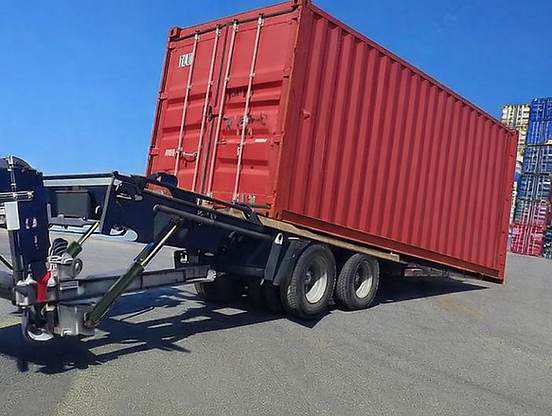
Ground-level container placement in Dallas
At Texas Container Transport, our fleet is purpose-built for shipping container transport. We invest in the best equipment so your container arrives safely, every time.
Hydraulic tilt trailers
Ground-level placement
Self-loading trucks
No forklift or crane required
SIMPLE PROCESS
HOW IT WORKS
02
We Schedule & Transport
Fast, reliable delivery on your timeline.
03
We Place Your Container
Exact positioning on-site. Ground-level, no hassle.
