

SHIPPING CONTAINER MOVERS IN SAN ANTONIO TEXAS
Ground-Level Delivery
20+ Years Experience
No Crane Required
5.0 Rated Service
WHAT WE DO
OUR SERVICES
San Antonio container moving for the next stage of your project
A container often needs to move because the property around it is changing. A contractor finishes one project, a business rearranges its yard, or an owner buys a unit for a new storage location. In each case, the transport plan should reflect what happens before collection and after delivery. TCT coordinates San Antonio container moves around the unit, the people controlling access, and the intended use of the receiving space.
Start with the result you need: a delivery from a seller, relocation between properties, or a change of position on the same site. Then provide the exact locations and container details. That description helps distinguish a road-hauling job from an operation involving several handling steps. It also gives TCT a basis for asking useful questions before quoting or scheduling the work.

Moving a contractor's container between projects
At the outgoing site, confirm that the container is ready to leave. Clear materials from around it, identify anything attached to the unit, and arrange for the responsible person to release it. Explain what remains inside and provide weight information. Tool storage can accumulate over the life of a project, so the current contents may differ substantially from the load that arrived originally.
At the receiving San Antonio site, choose a location that works with the next phase of construction. Consider material deliveries, worker access, planned excavation, and the route equipment will use through the property. A container set in the wrong place may need another move later. Mark the intended position and door direction, and have the site supervisor confirm them before the appointment.
Use a single set of instructions for everyone involved. The driver, outgoing contact, and receiving contact should know which container is moving and who can approve its placement. If several units look alike, provide identification and photographs. If the receiving position changes, communicate that before dispatch so access and handling can be reviewed again.
Business storage and yard reorganizations
An on-site move can make a commercial property easier to use by reopening a lane or improving access to stored materials. Show TCT the present arrangement and explain the goal. Include a simple drawing with the proposed positions, door directions, and fixed obstacles. A short distance does not eliminate the need for adequate equipment access or a suitable receiving surface.
For multiple containers, identify which units are loaded and which must move first. Stacked materials, parked vehicles, and other containers can determine the workable sequence. Arrange a time when the site can reserve the necessary working area. Continuing normal yard activity through the same space may complicate a plan that otherwise appears straightforward in photographs.
Do not treat the container's final footprint as the entire work zone. The truck needs room to approach, align, handle the unit, and depart. Tell TCT if the planned position is beside a fence, behind a building, or in a corner with limited maneuvering room. Those details should be part of the initial quote request.
Private-property delivery around San Antonio
San Antonio-area moves may also connect with Boerne, Cibolo, New Braunfels, Seguin, or other Texas communities. The precise address and property entrance matter more than the general area name. For a private road or rural approach, send a marked entrance, directions, and photos showing the route to the placement. Include gates, bends, crossings, and changes in surface or grade.
Report any known limitations of private bridges, culverts, cattle guards, or soft ground. A route suitable for ordinary passenger vehicles is not automatically suitable for container transport equipment. TCT needs enough information to identify what requires further assessment. Do not assume the truck can use a field or neighboring drive to turn around unless that access has been confirmed and reviewed.
Make sure someone can provide access and answer placement questions during the delivery window. If the property has livestock, locked gates, or several possible entrances, explain the arrangements in advance. A clear receiving plan is especially useful when the person ordering the move will not be present. Current photographs and a sketch give the on-site contact a shared reference.
Match the container and cargo to the handling plan
TCT reviews transport for 10-foot, 20-foot, 40-foot, and 45-foot containers, subject to equipment, weight, condition, and access. Provide height as well as length, and identify high-cube or modified units. Added doors, external fittings, rooftop equipment, and attached structures can change what the move requires. Tell us which additions will remain in place during transport.
For loaded containers, describe the cargo, its distribution, and how it is secured. Supply reliable total-weight information when available. Heavy machinery, densely packed materials, and fragile contents deserve particular attention in the assessment. The container's rated capacity does not determine what a specific vehicle and handling arrangement can accept.
Explain any need to keep the contents level. Ground-level delivery describes the pickup and placement result, but different equipment can achieve it with different movements. Ask TCT to review the proposed method for your cargo. Do not add substantial weight or change the load after the job is assessed without informing the team.
Condition photographs should show the base, corners, and any visible damage. Tell us if the unit has settled into soil, is blocked by other equipment, or has attachments to the property. A container that has served as stationary storage for years may require a different collection assessment from a recently delivered empty unit. Report those facts before the schedule is finalized.
Preparing for ground-level placement

For suitable jobs, ground-level handling can avoid the need to arrange a separate crane or forklift. The container and site still need to match the proposed equipment. Send photos of the complete approach, overhead conditions, maneuvering space, and final position. TCT may ask for measurements or further views before confirming that the requested placement is workable.
Prepare the receiving surface and discuss any support arrangement ahead of time. Consider drainage and future access as part of the property's long-term plan. Report known buried features or recently disturbed areas along the truck route. If weather or construction changes the surface after the quote review, provide updated information before dispatch.
Decide which way the doors should face and leave practical room for their use. Think about where people, carts, or loading equipment will operate after delivery. Avoid blocking access needed by the rest of the property. Marking the position helps, but the receiving person should also be available to confirm that it matches the agreed plan.
Buying a container: coordinate payment, release, and receipt
When purchasing from a seller, get the collection address, unit identification, release contact, pickup hours, and loading arrangements. Ask for photographs of the actual container and its position in the yard. If it is stacked or blocked, explain how the seller will make it accessible. TCT needs to know which handling tasks are included at pickup and which are not.
For auction purchases, share the lot information and removal deadline with the initial transport request. Confirm that payment and release requirements are satisfied before arranging collection. A deadline can affect scheduling, but it does not establish that transport is available on a particular day. TCT will review the request against the job details and available schedule.
Prepare the destination in parallel with the seller arrangements. If a gate must be opened, vehicles moved, or a pad completed, identify who will do that work and when. Keep the receiving contact informed of the agreed plan. A collection that is ready on time can still run into trouble if the destination has not been prepared.
Understanding San Antonio container-moving costs
An estimate considers the pickup and delivery addresses, container dimensions and weight, collection method, unloading access, and any additional handling. The effort at each property can matter as much as the travel distance. An empty-unit transfer between open yards differs from a loaded relocation through restricted entrances or an on-site move involving several units.
Compare quotes against the same description of the job. Ask who supplies loading assistance, how placement will be carried out, and what happens if the site or schedule changes. Identify seller deadlines, receiving hours, and any flexibility you have. Current pictures and a complete scope help TCT prepare a more useful quote than a request based only on container length and city names.
San Antonio container relocation FAQs
Can you move a container between San Antonio and New Braunfels?
Provide both addresses for a transport review. TCT serves San Antonio and other Texas communities, and the quote will consider the route and conditions at both properties. Include release and receiving contacts, container details, and the requested timing so the whole move can be coordinated.
Can you turn a container around without taking it off the property?
That depends on the available handling space, equipment, and container. Send photographs and a sketch showing its current and preferred orientation. The operation may still require loading and repositioning the unit. TCT needs to assess the path and work area before confirming the method.
Is a loaded construction-storage container eligible for transport?
It needs a review of total weight, cargo distribution, securing arrangements, condition, and access. Describe the tools or materials inside and any movement limits. Do not assume that a storage-ready container is automatically transport-ready. TCT can identify what additional information is needed to evaluate it.
Can you place a container on a private property outside town?
Send the location and the full approach, including gates, private crossings, grades, surface conditions, and the final position. Suitability depends on the truck reaching a workable unloading area and leaving afterward. A large property can still have a restrictive entrance, so show the entire route.
How do I get a San Antonio container-moving quote?
Call or text 512-817-1317 or submit the contact form. Provide both addresses, size and height, loaded or empty status, available weight information, preferred timing, and current photos. Add seller release details when relevant and show the intended door direction. Those details let TCT review the actual move from pickup through placement.
San Antonio: plan a contractor-container handoff between project teams
For a San Antonio relocation to another project or toward New Braunfels, list the equipment and materials remaining inside at closeout. Share the final load with TCT and give the next site's supervisor a marked receiving layout. Explain whether the container must remain accessible to workers immediately after placement. This helps align the outgoing crew's packing decisions with the incoming crew's storage needs.
Can the next project add supplies before the container reaches its final position?
Coordinate the actual travel load before transport. Additional cargo or an intermediate stop changes the operation and should be reviewed rather than added informally.
Explore related container services
Container transport · Property-to-property relocation · On-site container moves
Other service areas near San Antonio
Cibolo container moving · Boerne container moving · New Braunfels container moving
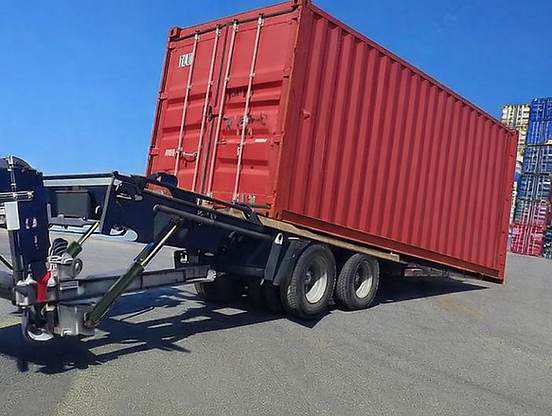
Ground-level container placement in San Antonio
At Texas Container Transport, our fleet is purpose-built for shipping container transport. We invest in the best equipment so your container arrives safely, every time.
Hydraulic tilt trailers
Ground-level placement
Self-loading trucks
No forklift or crane required
SIMPLE PROCESS
HOW IT WORKS
02
We Schedule & Transport
Fast, reliable delivery on your timeline.
03
We Place Your Container
Exact positioning on-site. Ground-level, no hassle.
