

SHIPPING CONTAINER MOVERS IN HOUSTON TEXAS
Ground-Level Delivery
20+ Years Experience
No Crane Required
5.0 Rated Service
Houston container transport: define the pickup before booking the truck
“Pick up my container in Houston” can describe several different jobs. The unit might be sitting on the ground at a seller's yard, stored at a business, or located at a facility with appointment and release procedures. Those differences affect the equipment, paperwork, and timing. Start by identifying exactly where the container is and who has authority to release it. TCT can then review the collection and destination as a complete move.
This page explains practical preparation for a privately arranged container move in the Houston area. If your shipment involves a marine terminal, rail facility, customs release, or carrier-owned equipment, describe that separately. Do not assume a standard ground-level container hauling quote includes terminal access, import processing, or equipment interchange. Those requirements need to be established before the job can be accepted or scheduled.

Seller yard, business property, or terminal: different starting points
A container purchased from a local seller
Ask for the container identification, release confirmation, collection hours, and a photograph of the actual unit. Check whether it is accessible on the ground or whether other units must be moved first. Confirm what loading assistance the seller provides. TCT needs a collection plan that reflects the unit you bought, including its condition and any modifications, rather than a generic photo from a sales listing.
A container already on your property
Show its current position and the truck's approach. Tell us about tight parking, nearby buildings, overhead obstructions, and equipment stored around it. If the container has electrical service, an attached ramp, or other additions, explain what will be disconnected or removed before collection. A storage container may have become part of the site's daily layout; preparing it for transport can require coordination with several people.
A unit connected with port or rail activity
Provide the exact facility, release status, equipment ownership, cargo information, and any appointment or access requirements you have received. TCT will need to determine whether the requested work fits the available service and equipment. A terminal collection and a move from a nearby private yard are not interchangeable descriptions. Resolve the scope before arranging a receiving crew or committing to a narrow delivery window.
Planning Houston-area pickup and delivery together
Houston-area moves may connect with Pasadena, Baytown, Channelview, Pearland, Katy, or other communities around the city. Give the exact addresses instead of describing both endpoints as Houston. The route between them is only part of the schedule. Seller release hours, security check-in, the availability of the receiving contact, and the time required for handling all need to fit the same plan.
For a business location, identify the correct truck gate and any internal route to the collection or unloading area. Tell TCT if the vehicle must check in away from the gate, wait for an escort, or use a specific receiving lane. Ask your site contact to confirm these details. A driver arriving at the office entrance may still be far from the entrance intended for equipment.
For a private property, send photos from the road through to the final position. Include bends, narrow passages, soft ground, and overhead features. If the receiving area is behind a building, show how the truck can reach and align with it. The desired container position and the practical unloading position need to be considered together; a map pin alone does not show the available working space.
Empty and loaded shipping container moves
TCT reviews 10-foot, 20-foot, 40-foot, and 45-foot containers, with acceptance based on dimensions, weight, condition, equipment, and access. Identify high-cube units and any attachments that change the outside dimensions. For multiple units, provide a separate description or list for each. Two containers of the same nominal length may have different cargo and collection requirements.
If the container is loaded, describe the contents and supply the best available weight documentation. Tell us about heavy machinery, concentrated loads, shelving, or fragile goods. Explain whether the cargo can tolerate the proposed loading movement. A sealed container is not automatically ready for every transport method, and a container's maximum marked gross weight does not determine the capacity of a particular vehicle setup.
If you do not know the weight, say so. Do not guess a light figure simply to obtain a price. TCT can explain what information is required to assess the job. Report any changes in contents after the initial review, including loading additional equipment before the scheduled pickup. A quote based on an empty unit needs to be revisited if it will actually travel loaded.
Ground-level delivery and a workable Houston receiving site
For suitable moves, ground-level handling can provide pickup and placement without arranging a separate crane or forklift. The method must fit the container and the site. Ask how the proposed handling works if keeping the contents level is important. Equipment that tilts a container and equipment that maintains a level lift have different implications for cargo and working space.
Prepare more than the final rectangular footprint. The truck needs an approach, room to perform the unloading operation, and a way to leave. Keep the intended lane clear of parked vehicles, material stacks, and temporary barriers. Mark the desired door direction and make sure the person meeting the delivery understands it. A last-minute rotation can change the handling plan.

Report wet, soft, uneven, or recently disturbed ground, including conditions along the approach. Surface appearance alone does not establish bearing capacity. If the site has changed after rain or construction activity, send updated photos before dispatch. Discuss a suitable receiving surface and any supports ahead of time; do not depend on the transport appointment to solve unfinished site preparation.
Think about how the container will function after placement. Leave practical access to the doors, consider where people or equipment will stand while unloading, and avoid blocking routes needed by the rest of the property. Long-term drainage and foundation decisions belong in the property preparation plan. TCT's placement review needs to work with that plan rather than substitute for it.
Business-yard relocations and on-site moves
A container can outgrow its original location as a business changes. Moving it may reopen a loading lane, separate storage from customer traffic, or support a new project. Photograph the current and proposed positions and explain the operational problem you want to solve. TCT can review the move against the available maneuvering space instead of relying on a distance estimate within the yard.
For several containers, label the units and draw the final arrangement. Note which ones are loaded and which must be moved first to reach the others. Confirm that the site can keep the work area clear during the operation. A coordinated sequence is especially helpful when normal deliveries, employees, and other equipment also use the same yard.
Auction collections and release deadlines
An auction purchase should come with clear release information before transport is scheduled. Supply the lot number, seller contact, collection deadline, and any appointment confirmation. Ask whether loading is included and whether the unit will be accessible when the truck arrives. Tell TCT about storage charges or other time-sensitive conditions as part of the request, without treating the deadline as proof that transport is available.
Keep the destination ready while collection is being arranged. A paid and released container still needs somewhere suitable to go. If your pad, gate, or receiving contact is not ready, explain that early so the schedule can be reviewed realistically. Changes to seller availability or destination access should be communicated as soon as you learn about them.
What goes into a Houston container-moving quote?
Pricing depends on the addresses, container dimensions and weight, release arrangements, loading method, delivery access, and any additional handling. Waiting or access restrictions can affect the scope even when the mileage is modest. A standard transfer between open private yards should not be compared directly with a job that has unresolved facility requirements or a difficult placement.
Ask what the quote includes at each end of the journey. Identify who is supplying any loading equipment, what placement is expected, and how changes or waiting will be addressed. Give the same information to every provider when comparing options. A complete scope is more useful than a low estimate that leaves the unloading method unspecified.
Houston container transport FAQs
Do you automatically collect containers directly from the port?
No terminal capability should be assumed from a general transport quote. Send the facility name, release and appointment information, cargo details, and equipment ownership so the job can be reviewed. Confirm that the specific collection is accepted before making related arrangements. Private-yard transport and terminal work can have different requirements.
Can I arrange delivery to Pearland, Katy, or Baytown?
TCT serves Houston and other Texas communities. Provide the exact destination and pickup address for a quote. A suburban or outlying delivery still needs its own access assessment, including the truck entrance, surface, maneuvering area, and final placement. The city name alone does not establish suitability or price.
Can a loaded 40-foot container be delivered to the ground?
That requires review of total weight, cargo, condition, equipment, and site access. Describe the contents and whether they can tolerate the proposed movement. Do not rely on the container size alone when requesting acceptance. Photos and weight information help TCT determine what additional review is necessary.
What if my seller has loading equipment?
Tell TCT what equipment the seller will supply, whether an operator will be present, and whether loading is confirmed for the appointment. The transport vehicle and loading arrangement need to be compatible. Do not assume that equipment visible in a yard is available for your collection.
How do I request a Houston estimate?
Use the contact form or call or text 512-817-1317. Send both addresses, dimensions, loaded or empty status, weight information, release details, and requested timing. Include current photographs of the container, collection access, and receiving area. Mention unusual facility requirements at the beginning so they are considered in the service review.
Houston: send a facility-specific pickup brief for a Houston-area move
If your Houston container is associated with a port, rail, or managed logistics facility, identify where it is physically available for collection and who controls release. Separate any terminal or chassis arrangements from the ground-level property delivery you want. For a move to Katy, Pearland, or Baytown, provide the receiving access independently. TCT needs a defined operation at each endpoint before the request can be assessed.
Does buying a container near the port make it a terminal pickup?
No. Confirm the actual collection location and handling procedure with the seller. A private-yard pickup and a facility-controlled release can require different arrangements.
Explore related container services
Container transport · Property-to-property relocation · On-site container moves
Other service areas near Houston
Humble container moving · Pearland container moving · Channelview container moving
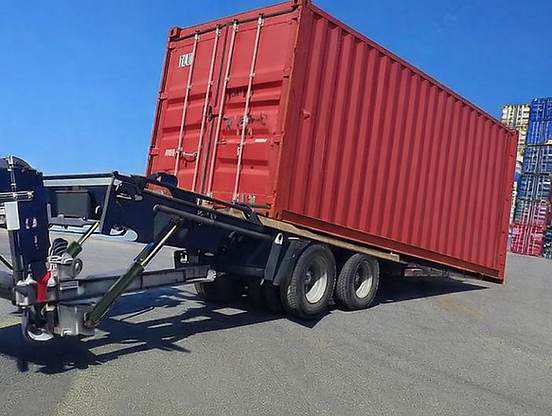
Ground-level container placement in Houston
At Texas Container Transport, our fleet is purpose-built for shipping container transport. We invest in the best equipment so your container arrives safely, every time.
Hydraulic tilt trailers
Ground-level placement
Self-loading trucks
No forklift or crane required
SIMPLE PROCESS
HOW IT WORKS
02
We Schedule & Transport
Fast, reliable delivery on your timeline.
03
We Place Your Container
Exact positioning on-site. Ground-level, no hassle.
