

SHIPPING CONTAINER MOVERS IN FORT WORTH TEXAS
Ground-Level Delivery
20+ Years Experience
No Crane Required
5.0 Rated Service
A Fort Worth container move starts with the property
The most important part of a Fort Worth container move may be the last stretch inside the property. A wide business-yard entrance, a fenced construction compound, and a private drive each require a different approach. TCT reviews the route to the container and the receiving position so the transport plan matches the actual site. Tell us where the unit is now, where it needs to finish, and what stands between those points.
Fort Worth projects can involve nearby communities such as Benbrook, Burleson, Keller, North Richland Hills, and Weatherford. A city name helps identify the general area, but it is not enough to select equipment or confirm access. Send the precise addresses and current photographs. For a property outside the urban street grid, add a marked entrance and directions that distinguish the delivery gate from other entrances.

From contractor yard to the next project
When a construction project finishes, the storage container may be surrounded by leftover materials, temporary fencing, or parked equipment. Schedule the clearance work before the move. Confirm that the container is no longer connected to power, attachments, or adjacent structures, and tell TCT about any modifications. The transport team needs to know whether it is collecting a standard storage box or a unit with features that change its handling.
At the next Fort Worth job site, identify a placement that will remain useful as work progresses. A convenient corner today may become a concrete delivery lane or a future excavation area. Coordinate with the person managing the site, mark the intended location, and decide which direction the doors should face. Thinking through the next phase of work can help avoid an unnecessary second relocation.
Keep one contact responsible for final instructions. Different crew members may have different ideas about where the container belongs, especially when the site is busy. A simple sketch and photographs give the driver a consistent reference. If the requested position changes on arrival, it must be reassessed against the available maneuvering space and ground conditions.
Private property, acreage, and long approaches
For a move to acreage near Fort Worth, show the entire truck approach. Photograph the entry from the road, any cattle guard or crossing, bends in the drive, and the proposed pad. Report slopes, soft shoulders, overhead obstructions, and known limitations of private bridges or culverts. TCT cannot determine the suitability of an unseen crossing from a mailing address; detailed information lets the team identify what needs further review.
A clear route should continue beyond the unloading spot. The vehicle must be able to complete the handling operation and leave the property. Avoid planning a delivery that depends on crossing an unassessed field or turning in a space occupied by other equipment. If recent weather changes the surface, share new conditions before dispatch rather than relying on photos taken when the ground was dry.
For a property with livestock or multiple gates, arrange who will open and close access points and keep the work area clear. Separate those arrangements from the unloading instructions so nothing is overlooked. The receiving person should be reachable during the delivery window and know the final door orientation. A remote property works best when directions, access, and placement have all been agreed in advance.
Moving 10-, 20-, 40-, and 45-foot containers
TCT can review these common container lengths for transport, subject to weight, condition, and site access. Include height and note whether the unit is a high cube. Tell us about external additions such as vents, rooftop equipment, or an attached awning. Nominal size is a starting point; the complete dimensions and modifications determine what needs to be considered for the move.
An empty container and a loaded container of the same size can require different handling plans. Provide cargo information and a credible weight figure when the unit contains tools, equipment, or stored goods. Describe how the load is distributed and secured. The maximum figure printed on the container should not be used as proof that the intended transport setup can move that load.
Older units deserve clear condition photographs. Show damaged corners, corrosion around the base, and any distortion that affects the doors or lower structure. If a container has settled into soil, explain how long it has been there and show the surrounding ground. Avoid attempting an improvised lift to prepare it; let TCT review what the collection may require.
Repositioning a container within a Fort Worth yard
An on-site move can free a work lane, improve door access, or make room for another project. Measure and photograph the current position and the proposed destination. Identify anything that needs to be removed from the route, including pallets, parked trailers, fence panels, or temporary barriers. Even a short move needs sufficient room for the equipment to approach and handle the unit.
If your goal is to rotate the container, say which end should face the entrance after the move. If several containers are involved, label each one and provide a simple placement drawing. The order of movement can matter when one unit blocks another. Planning that order before dispatch gives the team a clearer picture of the work than a request to “move a few boxes around.”
How ground-level loading and delivery work

For suitable jobs, TCT's ground-level handling approach can avoid the need to arrange a separate crane or forklift. Suitability depends on the container, cargo, access, and surface. Ask about the proposed method when requesting the quote, especially if the contents are sensitive to tilting or movement. Different handling systems have different space and cargo requirements.
The unloading position needs more room than the container's final footprint. The truck and trailer must align, operate, and depart. Show overhead lines and branches in the photos, including the area above the intended handling path. Do not estimate clearance only from the container sitting flat on the ground; the equipment's operating position also matters.
The receiving area should be prepared before arrival. Confirm the intended support arrangement, drainage, and long-term access with the people responsible for the property. Report buried features you know about, such as tanks or utilities, so the proposed vehicle path can be reviewed. The driver should not be expected to discover or design the foundation plan at the delivery appointment.
Buying from a seller or auction yard
Before booking collection, obtain the seller's release requirements, container number, contact details, and pickup hours. Tell TCT if the unit is blocked in or stacked. Confirm whether the seller will provide loading assistance and what equipment is actually available. A quote based on an accessible ground-level unit may need to change if the collection requires additional handling.
For an auction purchase, include the collection deadline and appointment rules when you first contact us. Keep the receiving property ready within the same planning window. If you are still arranging a pad, gate opening, or someone to meet the delivery, explain that before a pickup date is selected. The collection and placement need to work as one coordinated job.
Fort Worth transport pricing and scheduling
The quote reflects the complete operation: where the container starts, where it ends, its size and weight, the loading arrangement, and the difficulty of access. A short relocation with restricted maneuvering can involve more site work than a longer transfer between open yards. Send enough detail for TCT to assess those differences instead of relying on a per-mile assumption.
Share any flexibility in the schedule, along with firm seller deadlines or site restrictions. Ask what is included in the quote and how waiting, access changes, or additional handling would be addressed. Photos and a complete description help reduce avoidable uncertainty, but changes at the property still need to be communicated before the truck travels.
Questions from Fort Worth container owners
Can you move my container toward Weatherford or Burleson?
Send both locations for a route and site review. TCT serves Fort Worth and other Texas communities, including moves between city properties and surrounding areas. The entrance and receiving surface are particularly important when the destination has a long private approach. Include those details with the address rather than waiting until dispatch.
Can a loaded tool container be moved to another construction site?
It may be suitable after review of the cargo, total weight, condition, and proposed handling. Tell us about heavy equipment and unsecured materials inside. A container being used successfully for storage does not establish that its current loading arrangement is ready for transport. TCT will assess the job from the information provided.
How much space must I clear for a 40-foot container?
Ask for a site-specific assessment based on the intended truck and unloading method. Show the entrance, turning area, straight approach, and overhead conditions. The container length alone cannot establish the working clearance. Keep the area available until the move is completed rather than filling it again after taking the quote photos.
Can you move a container that has been sitting for years?
Describe its condition and send current pictures of the base, corners, doors, and surrounding ground. Long-term placement can conceal access or structural issues. TCT needs to review those conditions before accepting the work. Tell us about anything attached to the unit or stored tightly against it.
What is the quickest way to start a Fort Worth estimate?
Call or text 512-817-1317 with the two addresses, container dimensions, loaded or empty status, available weight information, and desired date. Add photos of the current position, truck entrances, and proposed placement. If you only need an on-site move, send a sketch showing both positions and the preferred door direction.
Fort Worth: keep the receiving route usable after the container is placed
For a Fort Worth delivery toward a private property or a yard near Weatherford or Burleson, show how the truck will leave after unloading. Mark gates, turnarounds, and surfaces that are unavailable to equipment. Include future construction around the storage position. Planning the exit and eventual retrieval alongside the delivery reduces reliance on an open area that may disappear as the property develops.
Can the container be delivered before a driveway turnaround is built?
Show the current route and explain the unfinished work. TCT needs to review an actual equipment-access plan before confirming placement; future space should not be treated as available now.
Explore related container services
Container transport · Property-to-property relocation · On-site container moves
Other service areas near Fort Worth
North Richland Hills container moving · Benbrook container moving · Keller container moving
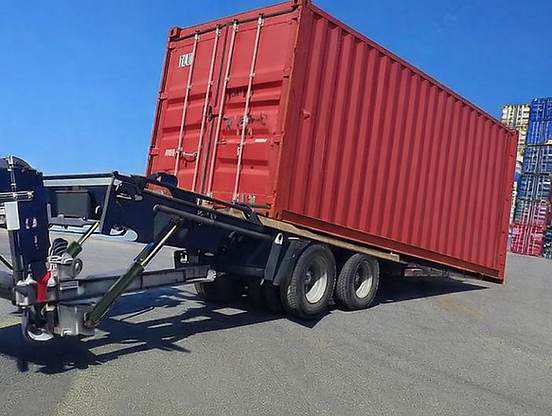
Ground-level container placement in Fort Worth
At Texas Container Transport, our fleet is purpose-built for shipping container transport. We invest in the best equipment so your container arrives safely, every time.
Hydraulic tilt trailers
Ground-level placement
Self-loading trucks
No forklift or crane required
SIMPLE PROCESS
HOW IT WORKS
02
We Schedule & Transport
Fast, reliable delivery on your timeline.
03
We Place Your Container
Exact positioning on-site. Ground-level, no hassle.
